Today Steel Rate in Pakistan – 18 October 2026
10 products · from Rs 210 to Rs 277
10 shown
Order onlineAdd to cart and check out — no account needed.
We confirm by phoneOur team calls to confirm the rate, quantity and delivery time.
Delivered to your sitePay cash on delivery.
Today Steel Rate in Pakistan
As of October 16, 2026, the steel rate in Pakistan remains steady but sensitive to global scrap prices and local energy costs.
Today Steel Rate in Pakistan (Per KG & Per Ton) October 16, 2026
The following table shows the average market rates for the most common steel grades used in residential and commercial projects.
Steel Grade | Rate Per KG (PKR) | Rate Per Metric Ton (PKR) |
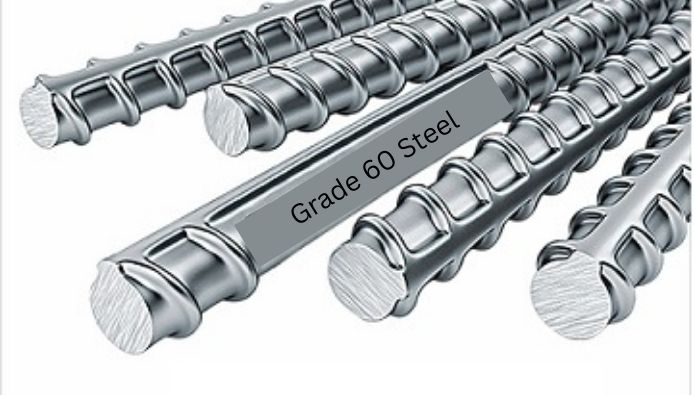
Grade 60 Steel (Saria) | Rs. 265 | Rs. 265,000 |
Grade 40 Steel (Saria) | Rs. 260 | Rs. 260,000 |
Local Saria | Rs. 202 – 210 | Rs. 202,000 – 210,000 |
Steel Rate by Major Brands
Top-tier brands often command a slight premium due to higher quality standards and ISO certifications. Below are the estimated prices for leading manufacturers:
Steel Rate in Pakistan by Brands (March 2026)
Branded steel, often referred to as "Large Steel," is manufactured in modern plants with strict quality controls. While these brands cost more than local "Saria," they offer the safety and durability required for permanent structures.
Brand Name | Grade 40 (Rs. / KG) | Grade 60 (Rs. / KG) | Rate Per Metric Ton (Grade 60) |
Amreli Steels | Rs. 270 | Rs. 275 | Rs. 275,000 |
Mughal Steel | Rs. 272 | Rs. 277 | Rs. 277,000 |
Agha Steel | Rs. 275 | Rs. 277 | Rs. 277,000 |
FF Steel | Rs. 271 | Rs. 273 | Rs. 273,000 |
Ittehad Steel | Rs. 271 | Rs. 273 | Rs. 273,000 |
Moiz Steel | Rs. 268 | Rs. 272 | Rs. 272,000 |
Union Steel | Rs. 265 | Rs. 267 | Rs. 267,000 |
Steel Rate Variation by City
While brands aim for uniform pricing, the steel rate in Pakistan can vary slightly based on your city's proximity to the manufacturing hubs (Karachi and Lahore).
Karachi: Generally the cheapest (Hub of steel mills).
Lahore/Faisalabad: Moderate pricing.
Peshawar/Islamabad: Slightly higher due to inland freight costs.
Factors Affecting Steel Rate in Pakistan
The steel rate is never static. Several key factors drive the price changes you see today:
Global Scrap Prices: Since Pakistan imports a significant amount of iron scrap, international market trends directly impact local costs.
Currency Devaluation: As the PKR fluctuates against the USD, the cost of imported raw materials changes.
Electricity Tariffs: Steel production is energy-intensive; any hike in industrial power rates pushes the per-ton price higher.
Demand & Seasonality: Construction peaks during the dry months, often leading to a temporary surge in the today steel rate in Pakistan.
Why Does the Steel Rate in Pakistan Change?
The steel rate is rarely static. Several primary factors influence daily price shifts:
Raw Material Costs: The cost of imported steel scrap and iron ore is directly linked to the global market.
Exchange Rate: Since much of the industry depends on imported materials, the PKR-to-USD exchange rate significantly impacts the final consumer price.
Energy & Fuel Costs: Manufacturing and transporting steel are energy-intensive. Any rise in electricity tariffs or fuel prices leads to an immediate increase in the today steel rate.
Demand & Supply: Construction cycles, infrastructure projects, and seasonal demand fluctuations create localized price gaps across different cities.
Quick Tips for Buyers
Verify the Grade: Grade 60 is preferred for mega-structures and high-rise buildings due to its higher tensile strength.
Bulk Discounts: Purchasing in metric tons usually secures a lower rate compared to buying by the kilogram.
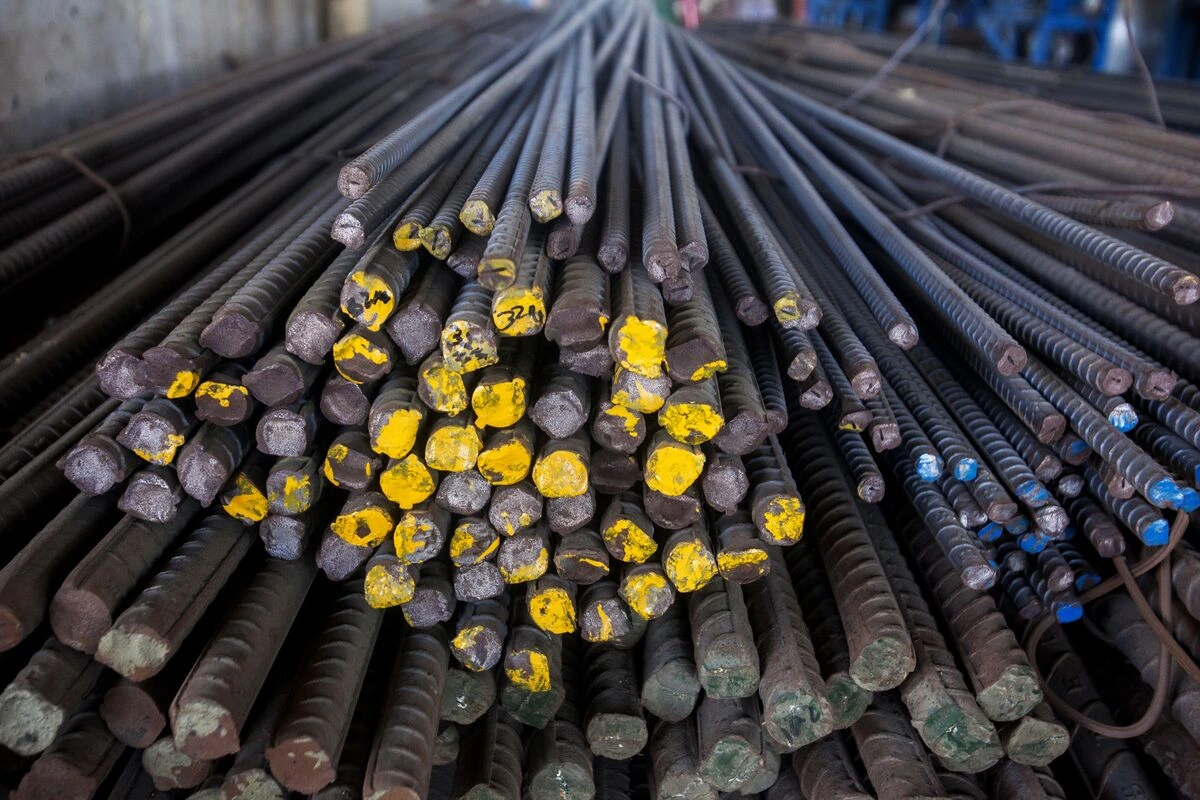
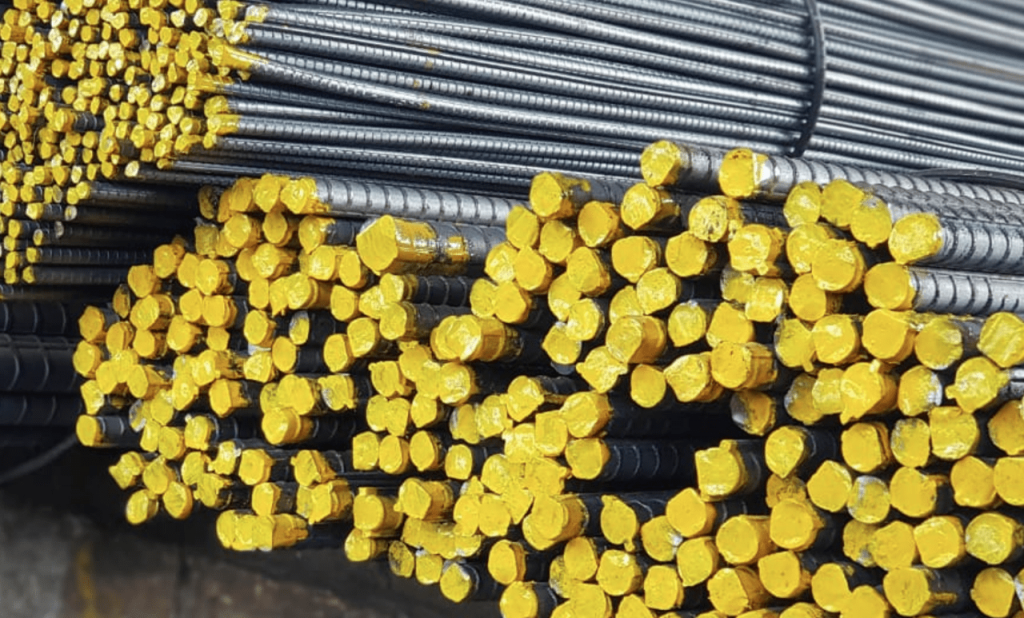
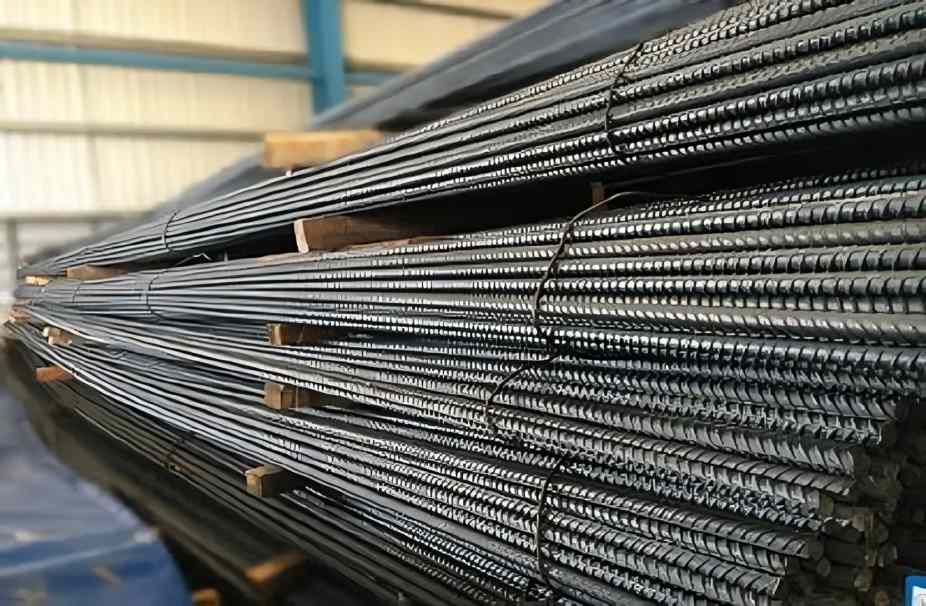
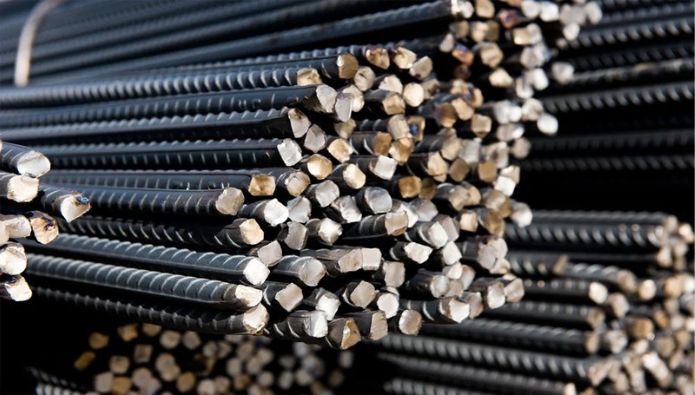
Check for Rust: Always inspect the "Saria" for excessive rusting before offloading at your site.
Frequently Asked Questions (FAQs)
What is the difference between Grade 40 and Grade 60 steel?
The primary difference is tensile strength. Grade 40 steel has a yield strength of 40,000 psi, while Grade 60 has 60,000 psi. Grade 60 is stronger, allowing you to use less steel for the same structural integrity, which often makes it more cost-effective for modern homes.
Why do steel rates change daily in Pakistan?
The today steel rate is influenced by:
International Scrap Prices: The cost of raw iron scrap in the global market.
Energy Tariffs: High electricity costs for furnaces increase production prices.
Currency Exchange: Fluctuations in the USD/PKR rate affect the cost of imported raw materials.
Which steel grade is best for a 5-marla or 10-marla house?
For modern residential construction in Pakistan, Grade 60 is highly recommended. While the per-kg price is slightly higher than Grade 40, its superior strength provides better safety against earthquakes and allows for more open architectural designs.
How can I verify the quality of steel at the site?
Look for the Stamp: Genuine branded steel has the brand name and grade (e.g., "Mughal 60") embossed on the bar every few feet.
Check for Rust: Minor surface rusting is okay, but deep pitting or "flaking" indicates poor storage and weakened strength.
The Bend Test: High-quality steel should bend without cracking at the joints.
Does the price of steel include transportation?
Usually, the quoted market steel rate in Pakistan does not include transportation. Freight charges depend on the distance from the mill or the wholesaler to your construction site and the total weight of the order.