Today Sand Rate in Pakistan – 18 October 2026
5 products · from Rs 40 to Rs 120
5 shown

Order onlineAdd to cart and check out — no account needed.
We confirm by phoneOur team calls to confirm the rate, quantity and delivery time.
Delivered to your sitePay cash on delivery.
Today Sand Rate in Pakistan
As of October 16 , 2026, sand prices have remained relatively stable, though monsoon seasons or fuel hikes can cause sudden fluctuations in the today sand rate.
Today Sand Rate in Pakistan (Per CFT & Per Trolley) - October 16 , 2026
Sand is sold by the Cubic Foot (CFT) or by the Trolley. Large dumpers are used for mega-projects.
Sand Type | Price Per CFT (Rs.) | Price Per Trolley (800 CFT) |
Ravi Sand (Fine) | Rs. 40 – 55 | Rs. 32,000 – 44,000 |
Chenab Sand (Coarse) | Rs. 65 – 75 | Rs. 52,000 – 60,000 |
Lawrencepur Sand | Rs. 120 – 140 | Rs. 76,000 – 96,000 |
Ghazi Sand | Rs. 85 – 100 | Rs. 68,000 – 80,000 |
Sand Rate by Quality Grade
In the local market, sand is often categorized by its purity. "Washed" sand is becoming very popular for premium construction in 2026.
Quality Grade | Description | Recommended Use | Price Per CFT |
A-Plus (Washed) | Machine-washed, zero silt/mud. | High-strength slabs & beams. | Rs. 100– 110 |
A-Grade (Clean) | Naturally clean river sand. | Standard lintels & pillars. | Rs. 70 – 85 |
B-Grade (Standard) | Contains minor silt/clay. | Brick masonry (Chunai). | Rs. 50 – 60 |
Filling Sand | Unrefined, may contain pebbles. | Plot filling & Foundation base. | Rs. 30 – 40 |
Sand Rate by Vehicle Type (Bulk Buying)
Contractors rarely buy by the CFT; they buy by the vehicle. Adding this table helps professional builders.
Vehicle Type | Capacity (Approx.) | Avg. Rate (Ravi) | Avg. Rate (Chenab) |
Mini Trolley | 250 – 300 CFT | Rs. 15,000 | Rs. 21,000 |
Standard Trolley | 800 – 900 CFT | Rs. 42,000 | Rs. 60,000 |
Dumper (10-Wheeler) | 1,500 – 1,800 CFT | Rs. 80,000 | Rs. 115,000 |
Trailer (Large) | 3,000+ CFT | Rs. 150,000 | Rs. 210,000 |
Sand Estimation for 5-Marla & 10-Marla House
This is "Hero Content" that users love to share. It answers the question: "How much sand do I actually need?"
House Size | Area | Total Sand Required | Estimated Cost (Mix) |
5 Marla | Single Story | 1,800 – 2,200 CFT | Rs. 110,000 – 140,000 |
5 Marla | Double Story | 3,500 – 4,000 CFT | Rs. 220,000 – 260,000 |
10 Marla | Single Story | 3,800 – 4,500 CFT | Rs. 250,000 – 300,000 |
10 Marla | Double Story | 7,000 – 8,000 CFT | Rs. 450,000 – 550,000 |
Ravi vs. Chenab vs. Lawrencepur
A quick comparison helps users decide which sand to use for which part of the house.
Feature | Ravi Sand | Chenab Sand | Lawrencepur |
Grain Size | Fine (Barik) | Coarse (Mota) | Very Coarse |
Strength | Moderate | High | Premium |
Best For | Plaster / Walls | Roof Slabs / Pillars | Mega Projects |
Availability | Very High | High | Limited |
Today Sand Rate by City
Since sand is heavy, the further you are from the riverbed, the higher the price.
City | Ravi Sand (Per CFT) | Chenab Sand (Per CFT) |
Lahore | Rs. 42 | Rs. 65 |
Faisalabad | Rs. 48 | Rs. 68 |
Islamabad / Pindi | Rs. 75 (Ghazi/Dina) | Rs. 95 (Lawrencepur) |
Multan | Rs. 55 | Rs. 72 |
Karachi | Rs. 85 (Malir Sand) | Rs. 110 (Hub Sand) |
Types of Sand and Their Uses
In Pakistan, the river source defines the quality and purpose of the sand.
1. Ravi Sand (The All-Rounder)
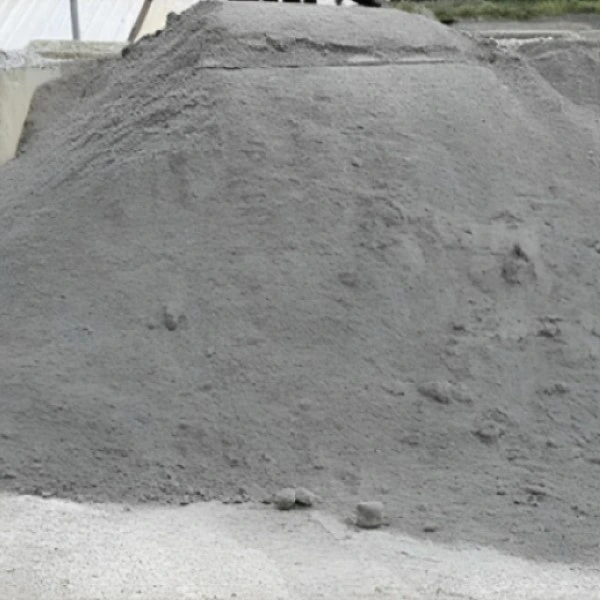
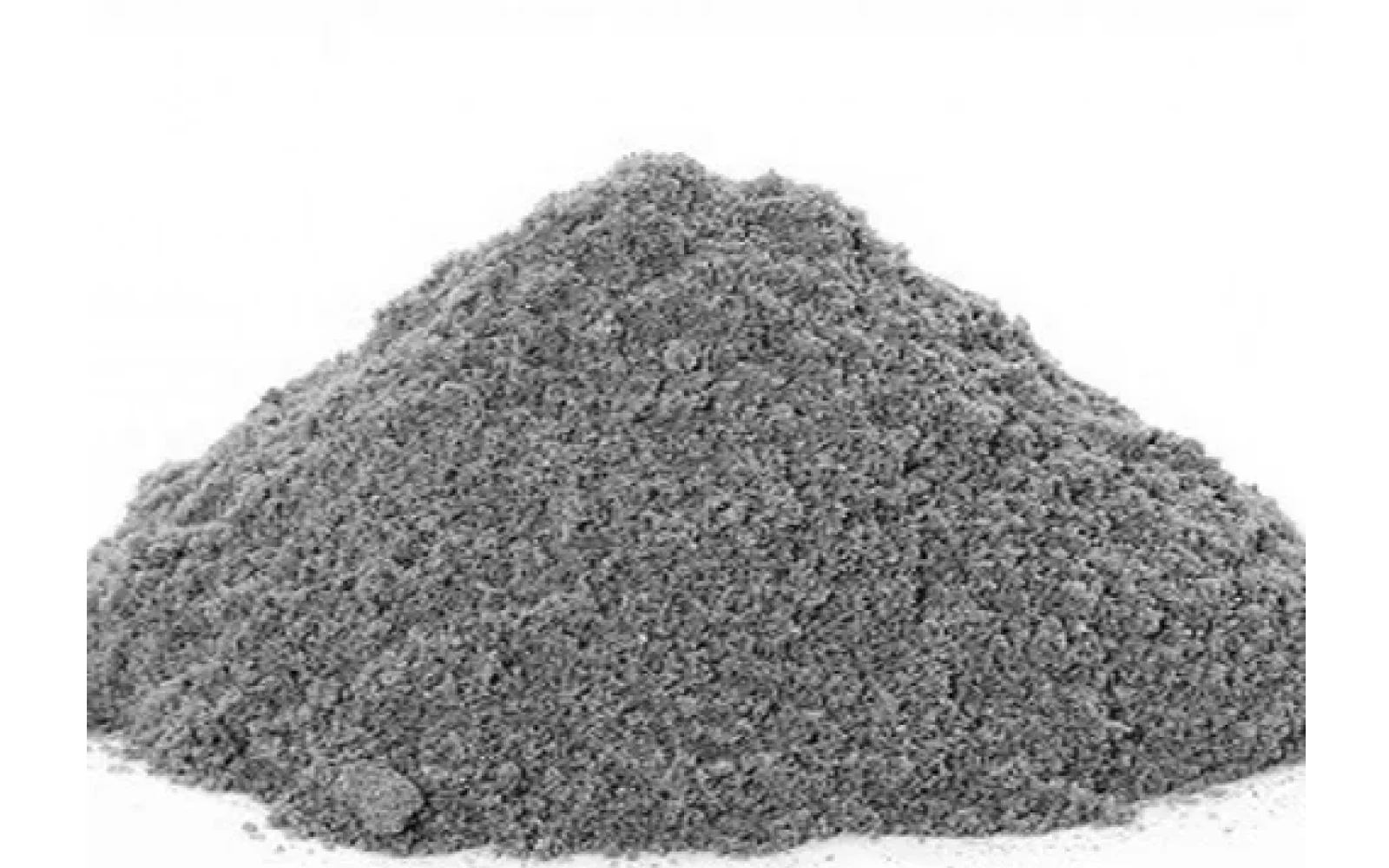
Ravi sand is very fine and has a grayish color. It is the most economical option available in Punjab.
Best For: Bricklaying (masonry), plastering, and filling. It provides a smooth finish for walls.
2. Chenab Sand (Structural Strength)
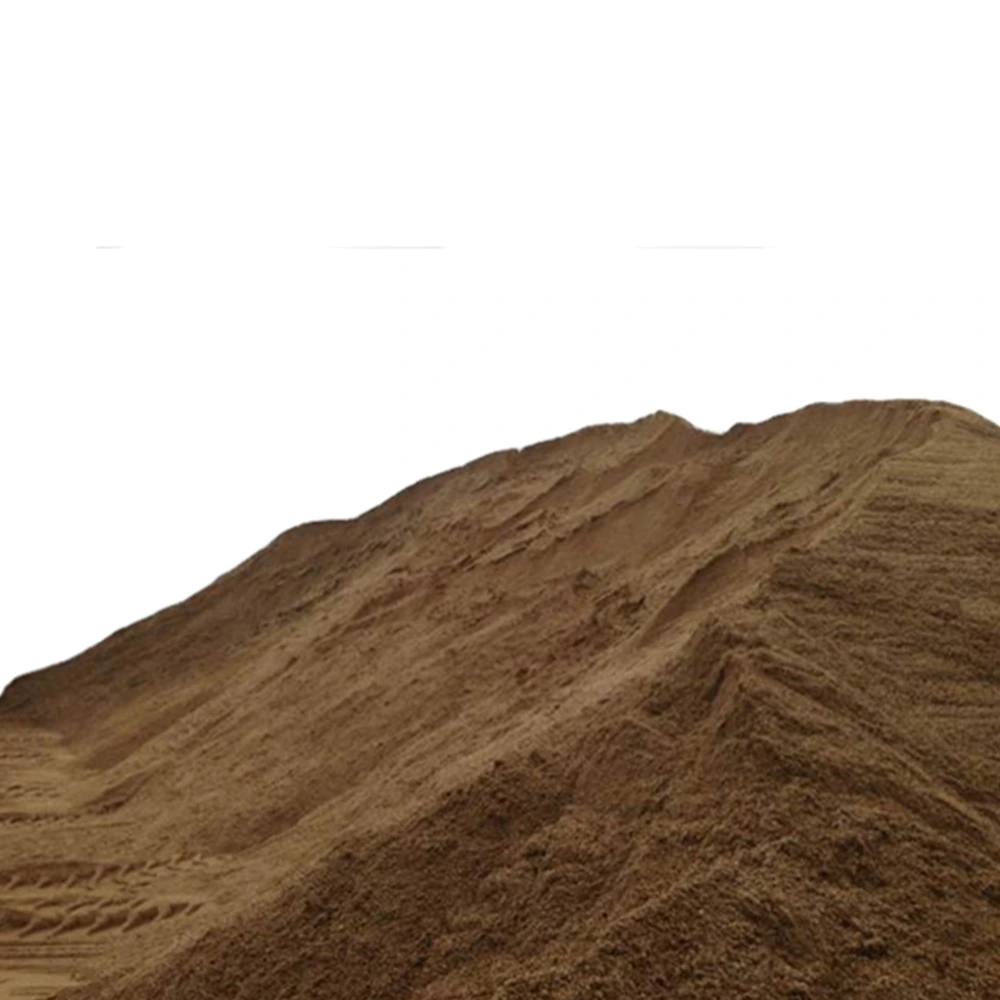
Chenab sand is coarser (thicker grains) and usually has a brownish/reddish tint. It is considered superior for structural integrity.
Best For: Concrete mixing, lintels, pillars, and roof slabs. Its thick grains create a stronger bond with cement and bajri.
3. Lawrencepur / Ghazi Sand (Premium)
Mined from specific regions in the North, this sand is exceptionally clean and free from organic matter.
Best For: High-strength concrete and mega-infrastructure projects where quality cannot be compromised.
Factors Affecting Sand Prices
Fuel Costs: Since sand is transported in heavy trolleys and dumpers, diesel price hikes immediately increase the today sand rate.
Mining Restrictions: Government bans on sand mining in certain riverbeds can lead to a shortage and price spikes.
Distance: The "lead" (distance from the river to your site) is the biggest factor in the final price you pay.
Frequently Asked Questions (FAQs)
Which sand is best for plastering?
Ravi Sand is best for plastering because of its fine texture. It allows the mason to achieve a smooth, even surface on the walls.
Why is Chenab sand more expensive than Ravi sand?
Chenab sand has larger, sharper grains which provide better "interlocking" in concrete, making it stronger. It is also found in fewer locations compared to Ravi sand.
How do I measure a sand trolley?
Use a measuring tape to find the Length, Width, and Height (in feet) of the trolley box.
Formula: $Length \times Width \times Height = Total CFT$
Always measure before the sand is offloaded.
What is "Doyam" or "Mix" sand?
This is a lower-quality sand that contains silt or mud. It is cheaper but can weaken your walls and cause "seep" (sim) later on. Always look for "Saaf Retti."