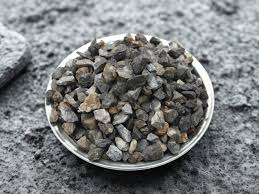
Today Bajri Rate in Pakistan – 18 October 2026
4 products · from Rs 110 to Rs 150
4 shown
Order onlineAdd to cart and check out — no account needed.
We confirm by phoneOur team calls to confirm the rate, quantity and delivery time.
Delivered to your sitePay cash on delivery.
Today Bajri Rate in Pakistan
As of October 16, 2026, bajri prices have seen a slight upward trend due to increased diesel prices affecting supply chain logistics.
Today Bajri Rate in Pakistan (Per CFT & Per Trolley) -October 16, 2026
Bajri is typically sold by the Cubic Foot (CFT) for small orders or by the Trolley/Dumper for large-scale construction.
Bajri Type / Source | Price Per CFT (Rs.) | Price Per Trolley (Rs. 800-900 CFT) |
Margalla Crush (A+ Grade) | Rs. 140 – 170 | Rs. 112,000 – 157,000 |
Sargodha Crush (A Grade) | Rs. 130 – 145 | Rs. 95,000 – 115,000 |
Sargodha Plant/B-Grade | Rs. 100 – 120 | Rs. 85,000 – 100,000 |
Dina/Local Crush | Rs. 95 – 110 | Rs. 75,000 – 85,000 |
Bajri Price by Quality & Type
Not all bajri is suitable for every part of your house. Use this table to decide which quality fits your budget and structural needs.
Quality Grade | Type Name | Best Use Case | Price Per CFT |
A+ Premium | Margalla (Clean/Washed) | Roof Slabs & Lintels | Rs. 145+ |
A-Grade | Sargodha (Plant Made) | Pillars, Beams, & Foundations | Rs. 125 – 135 |
B-Grade | Mixed/Local Crush | Flooring & Pavement | Rs. 110 – 120 |
C-Grade | Sub-base / Road Crush | Filling & Under-flooring | Rs. 95 – 105 |
Bajri Rate in Pakistan by City (Today)
Transportation costs are the biggest reason for price differences between cities. Prices in cities closer to the Margalla or Sargodha quarries are naturally lower.
City | Average Rate (Per CFT) | Avg. Rate (Per Trolley) |
Islamabad / Rawalpindi | Rs. 130 – 145 | Rs. 105,000 – 120,000 |
Lahore | Rs. 115 – 135 | Rs. 92,000 – 110,000 |
Faisalabad | Rs. 110 – 125 | Rs. 88,000 – 100,000 |
Multan | Rs. 125 – 140 | Rs. 100,000 – 115,000 |
Peshawar | Rs. 135 – 150 | Rs. 108,000 – 125,000 |
Karachi | Rs. 160 – 180 | Rs. 130,000 – 150,000 |
Quetta | Rs. 150 – 170 | Rs. 120,000 – 140,000 |
Pro Tip: In Karachi, most contractors use Nooriabad Crush as an alternative to Margalla due to high freight costs from the north.
Bajri Sizes (Sutar) and Their Uses
When ordering, you must specify the size (locally measured in "Sutar"):
3-Sutar (10-15mm): The most common size for residential roof slabs and beams.
4-Sutar (20mm): Used for heavy foundations and mass concrete.
Stone Dust (Khaka): The fine residue used for interlocking tiles and leveling.
How to Calculate Bajri Required for Your Slab?
A common rule of thumb for a standard 1:2:4 concrete mix (Cement:Sand:Crush) is:
For 100 Square Feet (at 5-inch thickness): You will roughly need 40 to 45 CFT of Bajri.
For a 5-Marla Double Story House: You will approximately need 3,000 to 3,500 CFT of total bajri.
Popular Types of Bajri in Pakistan
Not all crush is created equal. The source determines the strength and color of your concrete.
1. Margalla Crush (Premium)
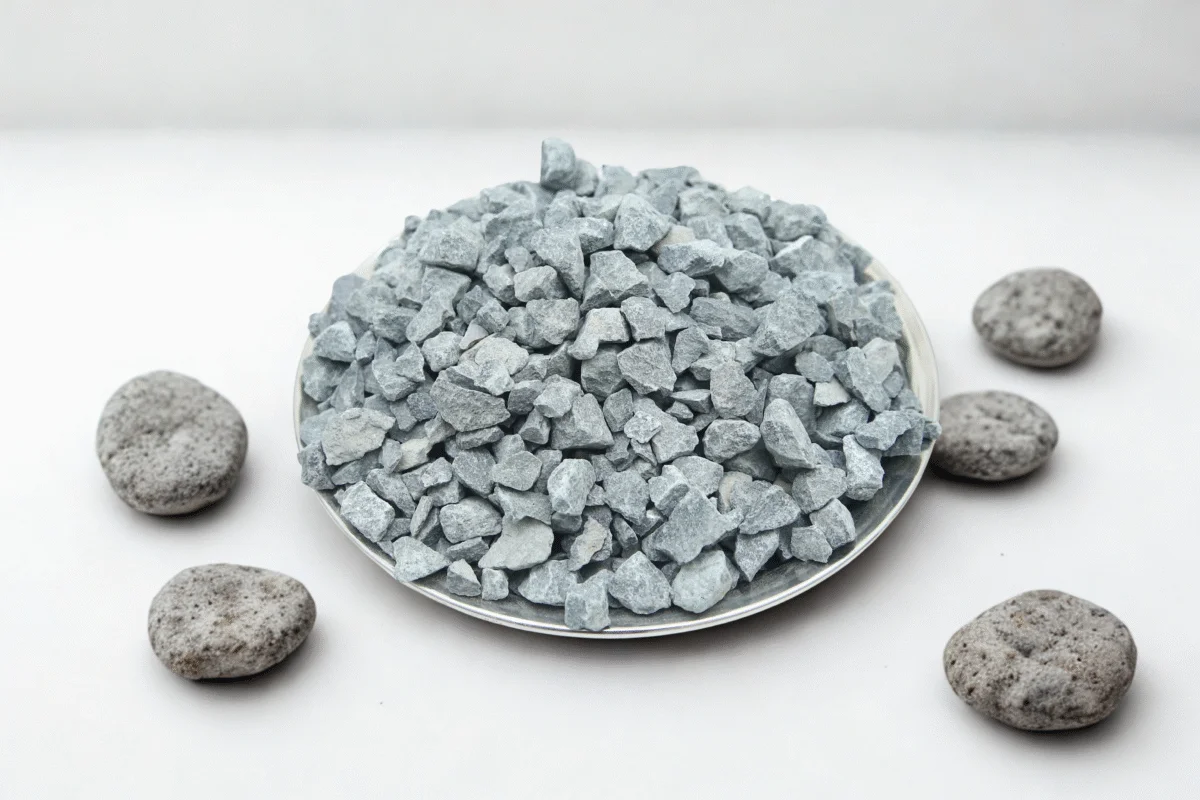
Mined from the Margalla Hills, this is considered the gold standard in Pakistan. It is bluish-grey, extremely hard, and preferred for high-strength slabs and columns.
Best For: Roof slabs, load-bearing beams, and high-rise structures.
2. Sargodha Crush (Standard)
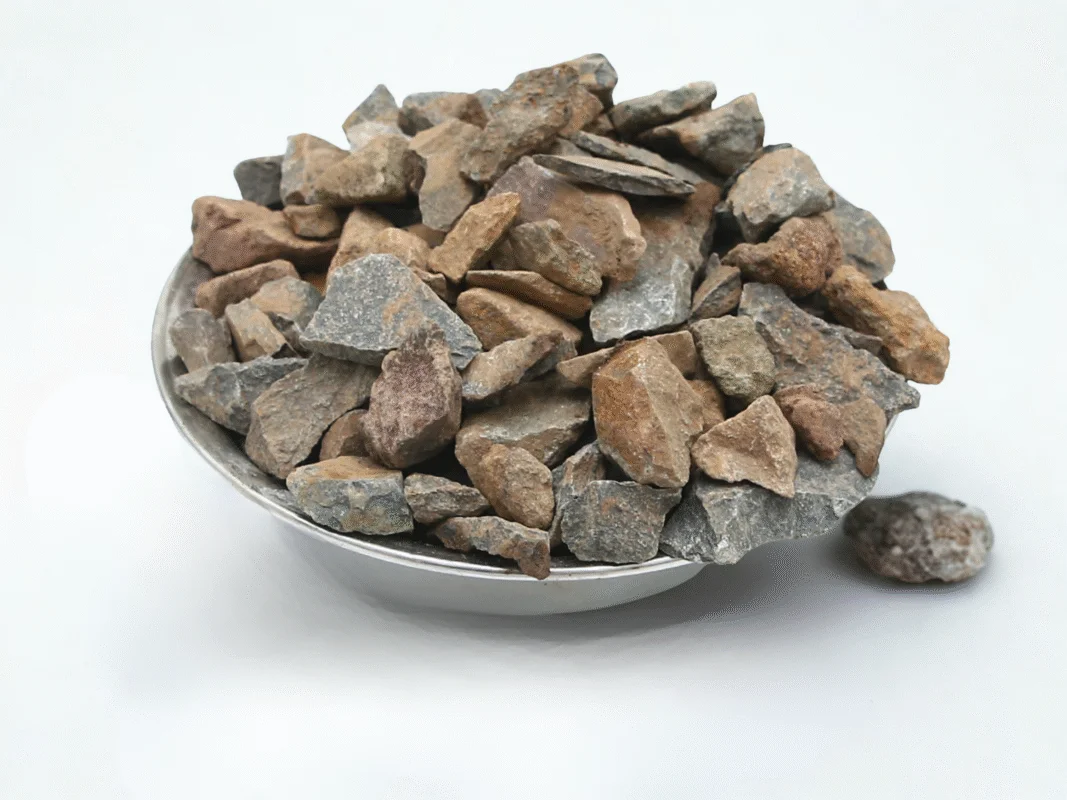
Sargodha crush is slightly more economical and is the most widely used variety in Punjab. It is generally darker (blackish) and offers excellent bonding with cement.
Best For: Residential homes (5-marla, 10-marla), flooring, and lintels.
3. Lawrencepur/Sand Mixed Bajri
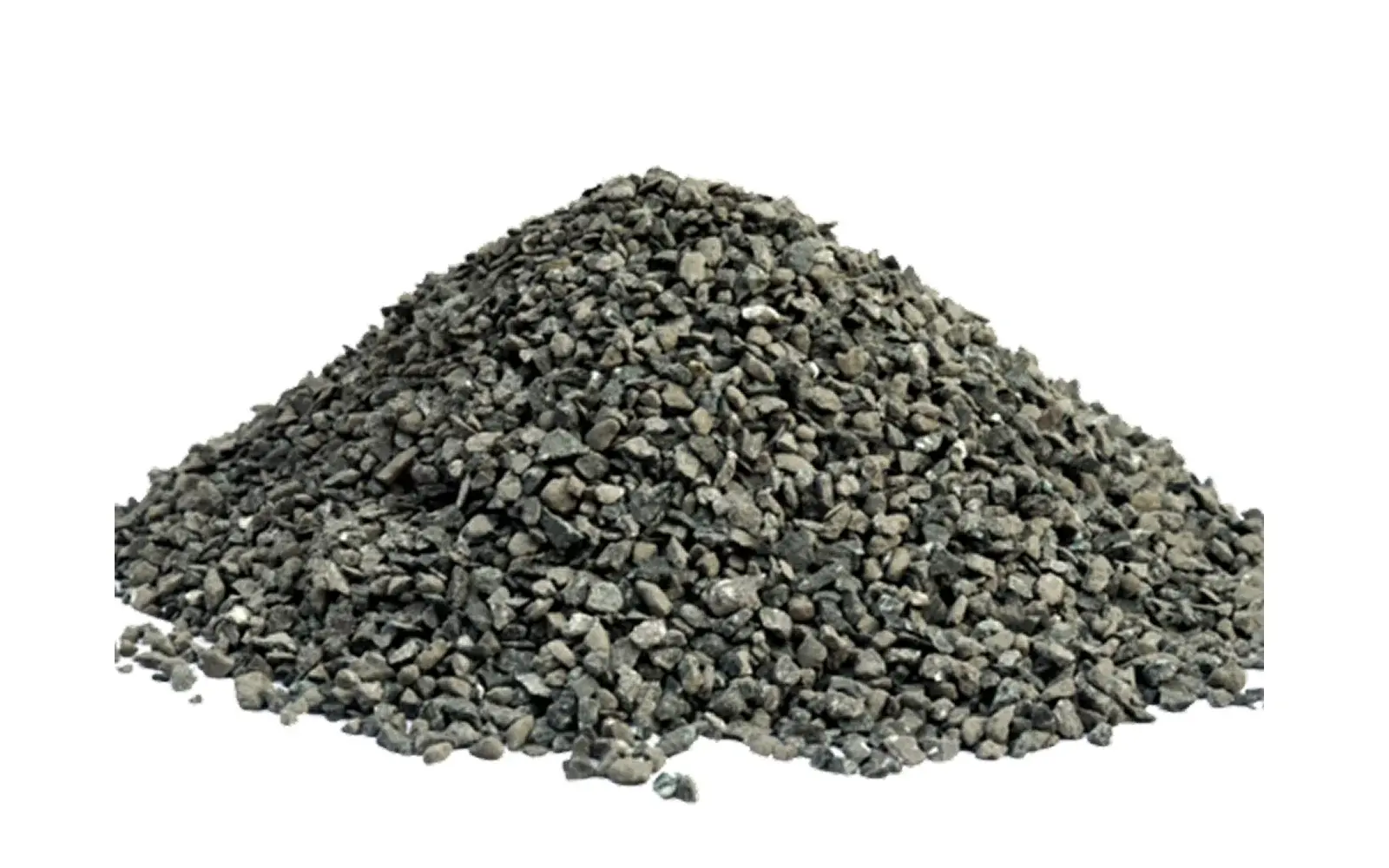
Often used in specific masonry or drainage works, though pure crush is preferred for structural concrete.
Factors Affecting Today's Bajri Rate
Fuel Prices: Since bajri is a heavy material, 40% of its cost is often just the diesel used in transport.
Quarry Regulations: Government-imposed bans or environmental taxes on Margalla/Sargodha hills can cause sudden supply shortages.
Distance from Source: Lahore and Islamabad enjoy lower rates due to proximity, while cities in Sindh (Karachi) may see higher rates due to long-haul transportation.
Frequently Asked Questions (FAQs)
Which is better: Margalla or Sargodha Crush?
Margalla crush is technically stronger and has a lower water absorption rate, making it superior for slabs. However, for standard residential houses, Sargodha crush is perfectly durable and more cost-effective.
How many CFT are in one standard trolley?
A standard tractor-trolley usually carries 800 to 900 CFT, whereas a large dumper can carry 1,500 to 3,000 CFT. Always measure the trolley dimensions (Length x Width x Height) yourself before offloading.
Why is the bajri rate different in every city?
Transportation is the biggest factor. For example, the today bajri rate in Lahore will be lower than in Multan because Lahore is closer to the Sargodha quarries.
Does "Wash Bajri" cost more?
Yes. Washed bajri is free from mud and organic "khaka," ensuring a much stronger bond with cement. It usually costs Rs. 5–10 more per CFT.