LHC Expands Property Courts for Overseas Pakistanis
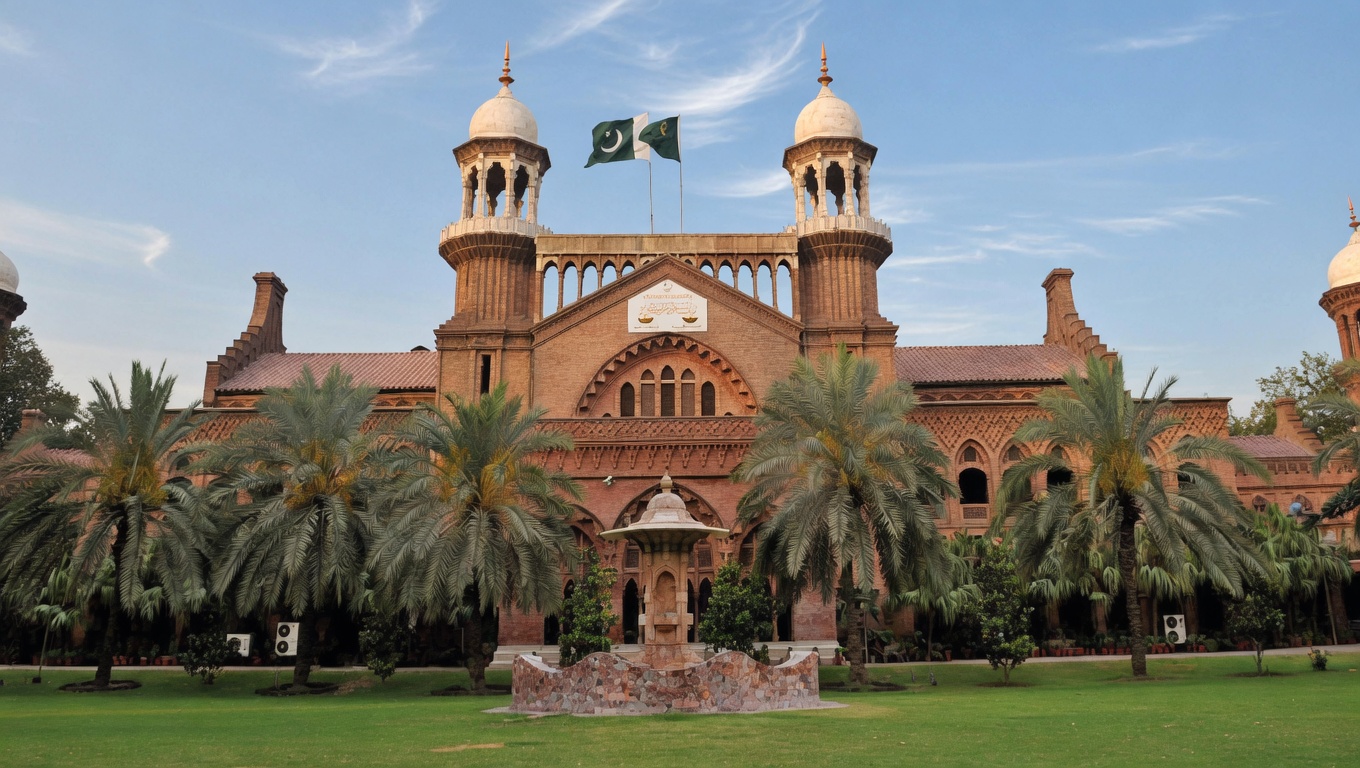
The Lahore High Court has fundamentally changed how overseas Pakistanis can resolve disputes over their property in Pakistan. In a landmark judgment authored by Justice Anwaar Hussain, the court declared that special courts established under the Punjab Establishment of Special Courts (Overseas Pakistanis Property) Act, 2025 can now hear a much broader range of property-related disputes than previously understood. This ruling eliminates the confusion that had prevented overseas Pakistanis from accessing these specialized courts for inheritance claims, contract disputes, partition matters, and transaction cancellations, forcing many to endure lengthy proceedings in regular civil courts instead.
If you're an overseas Pakistani with any property dispute in Punjab, whether it's about ownership, inheritance, cancellation of contracts, or partition, the special courts established specifically for you can now handle it. You no longer have to settle for the lengthy civil court system.
Why Special Courts Were Refusing Cases
Before this judgment, overseas Pakistanis faced a frustrating barrier when trying to use special courts designed for them. These courts were interpreting their jurisdiction narrowly, only accepting disputes about direct ownership and possession of property. When overseas Pakistanis tried to file cases involving other property matters, they faced rejection.
Real examples from the judgment illustrate this problem:
An overseas Pakistani living in Kuwait wanted to file a suit seeking specific performance against a housing society in Lahore, the special court refused, saying it had no jurisdiction, and the case was transferred to civil court
Another overseas Pakistani had a dispute about canceling a general power of attorney involving their property, again, rejected by the special court
Multiple cases involving inheritance claims, partition disputes, and contract cancellations were similarly dismissed
This created an absurd situation: overseas Pakistanis had courts specifically created for them, but those courts wouldn't hear most of their cases. Instead of receiving the specialized, faster justice they were promised, they were sent back to regular civil courts, the same courts that handle thousands of routine cases with lengthy delays.
What the Lahore High Court Ruled:
Justice Anwaar Hussain rejected the narrow interpretation. The court held that special courts had fundamentally misunderstood their own jurisdiction. The judge noted that the law uses broad language, "matters connected therewith" and "incidental thereto", which should be read expansively, not restrictively.
The Court's Key Ruling:
Special courts are NOT limited to ownership and possession disputes
They now cover specific performance of contracts
They handle partition and inheritance matters
They can address validity of transactions
They manage all ancillary matters linked to property
Jurisdiction depends on the status of the person as an overseas Pakistani, not whether they're the plaintiff or defendant
As Justice Hussain stated: "Once the dispute relates to immovable property involving an overseas Pakistani, the jurisdiction extends to all matters having nexus with such immovable property."
The judge emphasized a critical principle: these special courts create an "exclusive legal regime" that actually removes the jurisdiction of regular civil courts when an overseas Pakistani is involved. This means once a case involves you and your property, the special court has exclusive power, regular civil courts have no authority.
How This Judgment Benefits Overseas Pakistanis:
Faster Resolution Special courts are designed for efficiency. You no longer face the decades-long delays of regular civil litigation. Cases proceed through a streamlined process with dedicated judges experienced in property matters.
Proper Jurisdiction No more jurisdictional battles. When you file a case as an overseas Pakistani, the special court automatically has power, no arguments about whether they should hear your case.
Specialized Expertise Judges in these courts understand the unique challenges overseas Pakistanis face. They're trained specifically for property disputes involving diaspora members, not general civil matters.
Comprehensive Coverage Whether your dispute is about contracts, inheritance, partition, or any property-related matter, the special court handles it. No fragmentation across multiple courts.
Protection from Abuse Before this ruling, locals could force you into civil courts, creating delays and unfair advantages. Now you have a protected forum designed for your circumstances.
Defendant Protection Even if you're defending a case, if an overseas Pakistani is involved in any capacity, the special court must handle it, ensuring consistency and preventing jurisdictional manipulation.
What Types of Property Disputes Can Special Courts Now Handle?
The judgment clarifies that special courts have jurisdiction over a comprehensive range of disputes. Here's what you can now bring to these courts:
1. Ownership and Possession Disputes
The original scope, who owns the property and who has the right to possess it. This is straightforward and was already covered before.
2. Inheritance and Succession Matters
If property is inherited by overseas Pakistanis or disputes arise over inheritance of property, the special court handles it. This is a major expansion from the old interpretation.
3. Partition and Division
When multiple people own property jointly (like inherited property among siblings), the court can divide and separate the shares. This was previously being rejected.
4. Specific Performance of Contracts
If you signed a contract to buy property but the seller refuses to complete the transaction, you can compel them to perform. This is now clearly within special court jurisdiction.
5. Cancellation of Transactions
Disputes over canceling sales, agreements, or transfers of property rights fall within the court's power.
6. Validity of Transactions
Questioning whether a transaction was valid, properly executed, or obtained through fraud is now a special court matter.
7. Ancillary and Consequential Matters
Any matter that flows from or relates to immovable property falls within jurisdiction—including disputes over mortgages, liens, encumbrances, and other property-related rights.
Key Principle: If the dispute has any connection to immovable property in Pakistan and involves an overseas Pakistani, the special court likely has jurisdiction. The old narrow interpretation is dead.
How to Use This Ruling: The Process for Overseas Pakistanis
Understanding the ruling is one thing; using it practically is another. Here's how the process works:
Step 1: Establish Your Status as an Overseas Pakistani You must prove that you (or the defendant) are an overseas Pakistani. This is established through documentation showing Pakistani citizenship and current residence abroad. Your immigration status, visa, or employment abroad is documented evidence.
Step 2: Identify Your Property Dispute Clearly define your dispute. Is it about inheritance? A canceled contract? A partition? A failed transaction? The special court covers all property-related matters involving overseas Pakistanis, so specify the nature of your claim.
Step 3: File in the Special Court File your case in the special court designated for overseas Pakistanis property disputes in your jurisdiction. The judgment applies to Punjab; check if similar courts exist in other provinces.
Step 4: Transfer Cases from Civil Courts If your case was wrongly transferred to a civil court before this judgment, it must now be transferred back to the special court. You can petition for this under Section 13 of the Act. The special court will continue hearing your case from the stage already reached, avoiding a fresh trial.
Step 5: Proceed with Specialized Justice Your case is heard by judges experienced in overseas Pakistani property matters, following streamlined procedures designed for efficiency. The court's exclusive jurisdiction means no civil court interference.
Critical Jurisdictional Points Every Overseas Pakistani Should Know
Essential Jurisdictional Rules:
Status-Based Jurisdiction: Your qualification as an overseas Pakistani determines jurisdiction. It doesn't matter if you're the plaintiff or defendant, if you're involved, the special court has power.
Exclusive Authority: These courts have exclusive jurisdiction. Regular civil courts must hand over your case to the special court. This isn't optional, it's mandatory.
No Jurisdictional Disputes: Local parties cannot challenge jurisdiction on the grounds that the special court is too limited. The judgment settles this definitively.
Continuation of Cases: If your case was already pending in a civil court, the special court continues from where it left off. You don't start fresh with new trials, saving time and cost.
Property Location Requirement: The property must be immovable property in Pakistan. Disputes about foreign property wouldn't qualify.
How This Judgment Applies to Your Situation
Scenario 1: You Inherited Property, and Siblings Are Disputing the Division
Before this judgment, if inheritance and partition disputes were contested, you might face a civil court. Now, as an overseas Pakistani, the special court must hear your partition case. You get faster resolution with judges who understand diaspora inheritance matters.
Scenario 2: A Housing Society Won't Complete Your Purchase
You signed a contract and paid money, but the housing society is refusing to transfer the property. You can now file for specific performance in the special court. The old interpretation would have rejected this; the new one accepts it.
Scenario 3: Your Power of Attorney Was Misused
Someone holding your power of attorney conducted an unauthorized transaction. You want it canceled. The special court now has jurisdiction over transaction cancellation, a matter that was previously rejected.
Scenario 4: You're Defending Against False Claims
Someone is suing you about property. Even though you're the defendant (not plaintiff), because you're an overseas Pakistani, the special court handles the case. This ensures consistency and prevents manipulation of jurisdiction.
Frequently Asked Questions About the 2026 LHC Judgment
Q: Does this judgment apply to all of Pakistan or just Punjab?
A: This specific judgment applies to Punjab, as it interprets the Punjab Establishment of Special Courts (Overseas Pakistanis Property) Act, 2025. However, other provinces may have similar legislation. Check with your provincial court for comparable jurisdiction if your property is in Sindh, KP, or Balochistan.
Q: What if my case is already in a regular civil court?
A: You can petition for transfer to the special court under Section 13 of the Act. The judgment requires that all pending cases involving overseas Pakistanis and immovable property be transferred. The special court will continue from the stage your case has already reached, avoiding a fresh trial.
Q: What counts as "overseas Pakistani"?
A: Generally, an overseas Pakistani is a Pakistani citizen residing abroad. You'll need to provide proof of Pakistani citizenship and evidence of residence outside Pakistan (visa, employment letter, immigration records, etc.). The exact definition is in the Special Courts Act, your lawyer can confirm your status.
Q: Can I appeal a special court's decision?
A: Yes. Special court decisions can be appealed to the High Court following standard appellate procedures. This judgment clarifies jurisdiction but doesn't change appeal rights.
Q: What if the property is owned by a Pakistani citizen but I have a stake in it?
A: If you (an overseas Pakistani) have any legal interest in the property or are disputing rights to it, you can access the special court. Your status as an overseas Pakistani involved in the dispute triggers jurisdiction—you don't need to be the sole owner.
Q: How long do cases typically take in special courts?
A: Special courts operate with streamlined procedures designed for faster resolution than regular civil courts. While timelines vary by case complexity, they generally resolve disputes in significantly less time than traditional civil courts. Exact duration depends on the nature of your dispute and local court efficiency.
What This Judgment Changes for Overseas Pakistanis
Before the Judgment
Special courts rejected inheritance, partition, and contract-related disputes
Overseas Pakistanis were forced into slow civil courts
Jurisdictional confusion delayed cases
No consistency in which forum heard your case
After the Judgment
Special courts accept comprehensive property disputes
Overseas Pakistanis get specialized, faster justice
Clear, definitive jurisdiction with no ambiguity
Consistent forum for all property matters involving diaspora members
Bottom Line: This judgment eliminates the confusion that plagued overseas Pakistanis for years. If you have a property dispute and are an overseas Pakistani, the special court designed for you must hear your case, no more excuses, no more delays.
What You Should Do Now: Action Steps for Overseas Pakistanis
If You Have an Active Dispute:
Check the venue: Is your case in a regular civil court? If yes, petition for transfer to the special court immediately. Don't wait.
Consult a lawyer: A local Pakistani attorney familiar with property law and this new judgment can guide you through the process and ensure your case is properly transferred.
Document your overseas status: Gather proof of your residence abroad, visa, employment letter, immigration records, to establish your qualification.
File in the special court: If you have a new dispute, file directly in the special court rather than the civil court. This avoids delays and jurisdictional issues.
If You're Contemplating a Property Dispute:
Understand your options: Know that you have access to a specialized court designed for your circumstances.
Act promptly: Don't delay filing. Statute of limitations apply, and you want to use the expedited special court process.
Seek local legal advice: Hire a lawyer in Pakistan who understands this judgment and special court procedures.
Consider settlement: Fast-track courts often encourage settlements. You may resolve your dispute quicker than expected.
Conclusion
Justice Anwaar Hussain's judgment represents a significant turning point in how overseas Pakistanis can protect and dispute their property rights in Pakistan. By expanding the scope of special courts from narrow ownership questions to comprehensive property disputes, the court has eliminated years of unnecessary delays, jurisdictional confusion, and unfair treatment.
For overseas Pakistanis managing inheritance disputes, partition fights, canceled contracts, or transaction cancellations, this ruling means you finally have a proper forum, a court designed for your unique circumstances, staffed with judges who understand your challenges, and operating with streamlined procedures that respect your time and investment.
Share Article
About Author
PropertyDealer Team
Property Expert
Experienced real estate professional sharing insights about Pakistan's property market.