Digital Property Transfer, Online Building Plan Approval in Rawalpindi Soon
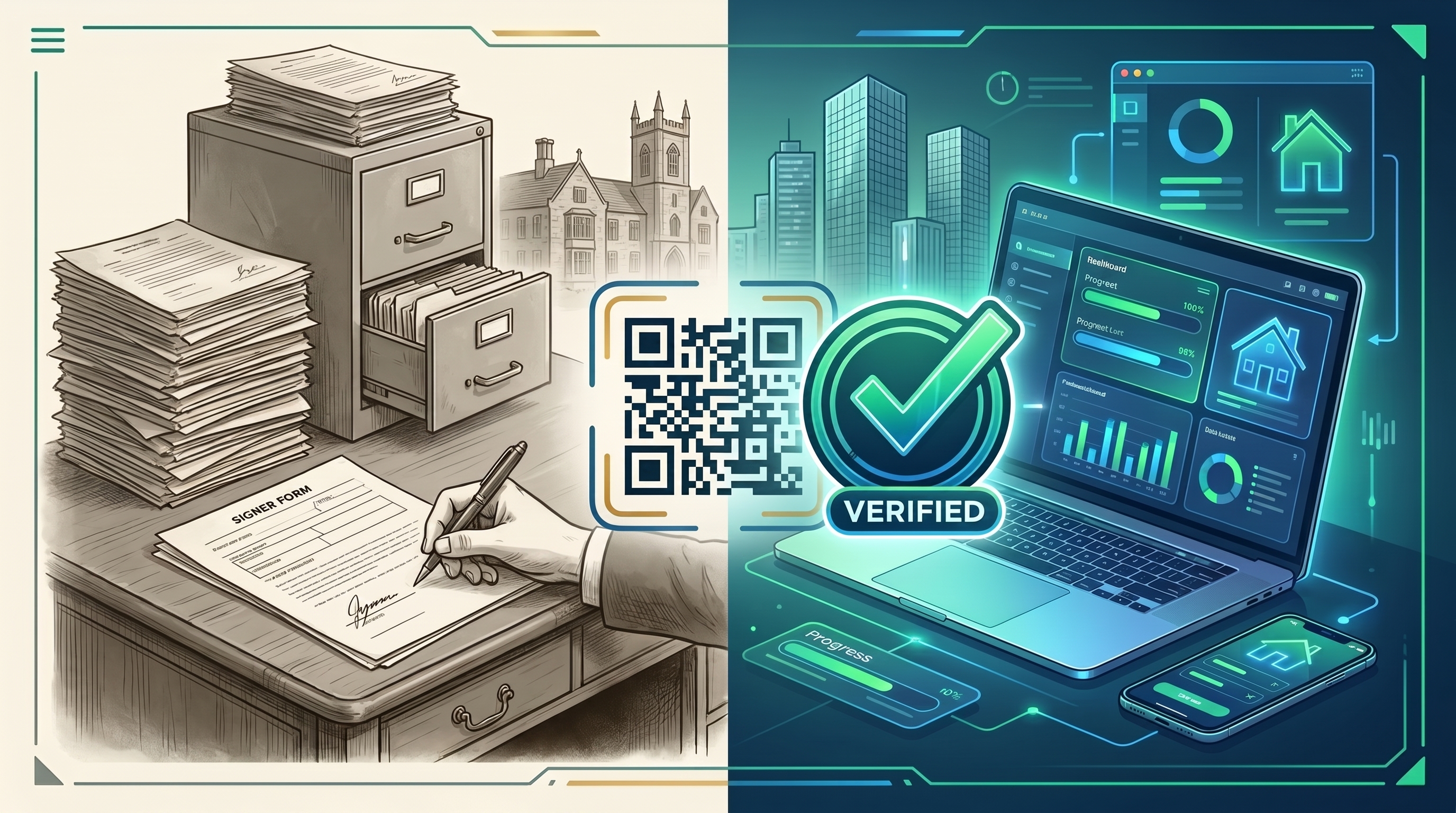
Rawalpindi's property market is about to undergo a massive transformation. The Rawalpindi Development Authority (RDA) has announced that it will launch a completely digital property transfer system and online building plan approval platform within the coming months. This shift from traditional paper-based processes to an integrated digital framework means that buying, selling, and approving properties in Rawalpindi will soon become faster, more transparent, and significantly less complicated. For property owners, investors, and developers, this represents one of the most important changes to how real estate transactions work in the city.
Why Rawalpindi Needed This Digital Shift
For decades, property transactions in Rawalpindi have relied on manual paperwork, physical office visits, and face-to-face interactions with government officials. While this system worked, it had serious problems:
The Old System's Problems
Slow Processing: Getting building plan approvals could take weeks or months. Property transfers required multiple visits to government offices and countless document verifications.
High Corruption Risk: Manual systems with human intervention created opportunities for officials to demand bribes, make unauthorized demands, or delay approvals indefinitely.
Lack of Transparency: Property buyers couldn't easily verify the legal status of a project or confirm that approvals were legitimate. Fraudsters exploited this by selling properties from illegal housing schemes to unsuspecting buyers.
Document Loss Risk: Physical files could be misplaced, damaged, or lost. There was no backup system, and recovering lost documents meant starting the entire process again.
Time-Consuming Verification: Checking property ownership, confirming NOCs (No Objection Certificates), and verifying building plans required visiting multiple offices and waiting in long queues.
Illegal Schemes Flourishing: Because the system was manual and decentralized, illegal housing schemes could operate for years without proper oversight. Thousands of citizens invested their life savings in unauthorized projects that had no legal protection.
The RDA recognized these problems were damaging public trust and harming Rawalpindi's development. That's why they partnered with the Punjab Land Record Authority to build a completely digital ecosystem.
The Digital System Explained: What's Actually Changing
The new digital system consists of three main components, all working together under one integrated platform:
1. The Property Transfer System (PTS): Secure Online Transactions
The Property Transfer System is the heart of the digital revolution. Instead of going to government offices with stacks of documents, property buyers and sellers will use an online web portal to complete transactions.
How it works:
Buyers and sellers register on the PTS portal
Both parties upload required documents (ID, NOC, ownership proof, building plan approval)
The system verifies all documents automatically
Once verified, the property transfer is recorded electronically
Both parties receive digital confirmation with a unique transaction ID
Why this matters: The system uses encryption and digital signatures, making fraudulent transfers nearly impossible. You can sell property from your home, and the buyer receives a legally binding digital record. No more visiting offices, no more physical files getting lost.
2. Online Building Plan Approval: Transparent and Time-Bound
Instead of submitting physical building plans to RDA offices and waiting months for approval, developers will use the online portal to submit their plans, which will be reviewed and approved electronically.
The new process:
Developers upload building plans to the portal
The system automatically checks plans against RDA's technical standards
If compliant, approval is issued instantly
If issues exist, the system specifies what needs to be fixed
Developers can revise and resubmit immediately
No human intervention means no delays, no bribes, no favoritism
The transparency advantage: Every step of plan approval is tracked. Developers can see exactly where their application stands, how long review is taking, and what specific issues need resolution. This eliminates the uncertainty that plagued the old system.
3. Housing Scheme Registration: Bringing Illegal Schemes Under Control
The most important part of the digital system is how it handles housing schemes. Every housing scheme, whether it's a small residential project or a large commercial development, must now register on the online portal through their regulatory authority.
Registration process:
Housing schemes submit project details through their regulator
The system records all scheme information: location, ownership, approval dates, NOCs
Valid schemes receive a QR code certificate
This QR code is printed on all official scheme documents and marketing materials
Citizens can scan the QR code to instantly verify if a scheme is legal
Why this stops fraud: Before the digital system, fraudsters could create fake NOCs and sell properties from illegal schemes to unwary buyers. The QR code system makes this almost impossible. If a scheme doesn't have a valid QR code, it's illegal, period. No ambiguity, no gray areas.
February 15, 2026 Launch: What Happens
The RDA has announced that the Property Transfer System will be formally launched on February 15, 2026. This is not a soft launch, it's a complete transition date.
After February 15:
The manual property transfer system will be completely phased out
All new property transactions must use the digital PTS
All building plan applications must be submitted online
Housing schemes must be registered on the digital portal
Physical office submissions will no longer be accepted
Important transition period: For existing cases and ongoing transactions, RDA will allow some time for completion through existing channels. However, any new applications submitted after February 15 must use the digital system. This creates clear incentive to transition quickly.
7 Concrete Benefits Overseas Pakistanis and Local Buyers Will Experience
1. Faster Property Transfers
Before: A simple property transfer could take 4-6 weeks, multiple office visits, document verification at each stage, waiting periods between steps.
After: Digital verification happens in hours, not weeks. Document checking is automated, and once approved, your property transfer is complete. Entire process can be done in 2-3 days instead of weeks.
2. Lower Transaction Costs
Before: You needed to pay fees for various stamps, registrations, and multiple office visits. Many people paid unofficial "speed-up" charges to move their cases faster.
After: Single digital fee paid online. No multiple offices to visit, no transport costs, no unofficial charges. Transparent pricing displayed upfront. You save money and time.
3. Fraud Prevention Through QR Codes
Before: You couldn't easily verify if a housing scheme was legal. Fraudsters sold properties from illegal schemes with fake NOC documents. By the time you discovered the fraud, your money was gone.
After: Every legal housing scheme has a unique QR code. Before investing a single rupee, you scan the QR code to verify the scheme's legal status. If there's no QR code, it's illegal, don't invest.
4. Transparency in Every Step
Before: You submitted documents and waited. No one told you what was happening. Officials could delay your case indefinitely, and you had no way to check status.
After: You can log into your account anytime and see exactly where your application stands. The system shows you each step: "Documents received," "Under review," "Minor issues found," "Approved." Estimated completion dates are displayed upfront.
5. Remote Access for Overseas Pakistanis
Before: If you were living in Dubai, Europe, or America, you needed to hire a local agent or power of attorney holder to handle your property transactions. You couldn't verify what they were actually doing.
After: You can access the system from anywhere in the world. Upload documents online, track your property transfer in real-time, receive digital notifications. You don't need to be physically present in Rawalpindi.
6. Reduced Corruption Risk
Before: Manual systems required interaction with officials who had discretionary power. Some demanded unofficial payments to process applications faster or approve borderline cases.
After: The system is automated. There's no official to bribe because the computer makes most decisions based on uploaded documents. Building plan approvals follow strict technical criteria. Property transfers follow legal rules, no human judgment to corrupt.
7. Legal Protection and Record-Keeping
Before: If you lost physical property documents, recovering them meant starting the entire process again. Records could be damaged or lost permanently.
After: Every transaction is recorded in a secure digital database with multiple backups. You can request certified digital copies anytime. Your property records are permanently preserved, accessible from anywhere, unhackable.
How This Protects Citizens from Illegal Housing Schemes
This is perhaps the single most important benefit. Rawalpindi has a serious problem with illegal housing schemes, unauthorized projects that lack RDA approval, proper infrastructure, or any legal standing.
The situation before the digital system:
Hundreds of illegal housing schemes operated openly
Thousands of citizens invested in these schemes, losing their life savings
There was no easy way to verify if a scheme was legal
RDA struggled to track and shut down illegal schemes
NAB (National Accountability Bureau) found it difficult to pursue fraud cases without clear records
How the digital system stops this:
All legal housing schemes must register and receive a QR code. When you're considering investing in a scheme, here's what you do:
Ask the scheme developer for their QR code
Scan it with your phone
The system instantly shows: scheme name, owner, approval dates, NOC status, location
If the scheme has no QR code, it's illegal, don't invest
RDA has announced it's already collected complete data on all illegal housing societies and is preparing enforcement actions. The agency has emphasized: "RDA strongly advises citizens to avoid investing in unauthorised housing schemes and to verify the legal status of any project through official RDA platforms before making financial commitments."
The Training and Support Phase: Ensuring Smooth Transition
RDA understands that switching from a manual to a completely digital system is a massive change. That's why they're not just launching the system and leaving people confused.
Support being provided:
Training sessions for developers, architects, and housing scheme authorities
Step-by-step guides published online
Help desk support for common questions
Video tutorials showing how to use each function
Temporary support for people unfamiliar with digital systems
For citizens: You'll be able to access simple, easy-to-use interfaces. If you've used Facebook or WhatsApp, you can use the PTS. The system is designed for regular people, not just tech experts.
What RDA Demands from Stakeholders
While the digital system is a carrot (making things easier for legal transactions), RDA is also wielding a stick against illegal developments.
RDA has directed its Maintenance, Planning & Training Enforcement (MP&TE) directorate to take strict action against:
Illegal and unauthorized housing schemes
Unauthorized commercial activities
Illegal booking offices (agents selling from illegal schemes)
Encroachments on RDA-controlled land
The authority's statement: "RDA will not tolerate any form of illegal or unauthorised development, especially in areas declared sensitive by regulatory bodies."
This means if you're operating an illegal scheme or selling property from an unauthorized project, enforcement teams will target you. RDA has already shut down numerous illegal operations and will continue with intensified efforts.
Real-World Scenarios: How the New System Works
Scenario 1: You Want to Buy Property in a Housing Scheme
Old way: Visit the scheme office, they give you a NOC letter (which could be fake). You visit RDA office to verify. Office says "we'll check and call you." You wait weeks.
New way: Ask scheme for QR code. Scan it on your phone. System instantly shows the scheme is verified, approved, and legal. You proceed confidently.
Scenario 2: You Want to Sell Your Rawalpindi Property
Old way: Visit RDA office with property documents. Submit forms. Wait 4-6 weeks. Visit multiple times to check status. Finally, get approval. Buyer does the same. Entire transfer takes 2-3 months.
New way: You and buyer go online. Both upload documents. System verifies ownership and approvals automatically. Transfer completed in 2-3 days. Both receive digital certificates.
Scenario 3: You're a Developer With Building Plans
Old way: Print building plans. Visit RDA office. Submit to planning department. Wait weeks. Plans get lost or delayed. Follow up multiple times. Eventually get approval, or rejection with vague reasons.
New way: Upload digital plans to portal. System checks against technical standards automatically. Within days, either approved or specific issues listed. Fix issues and resubmit. Clear, transparent process.
What This Means for Rawalpindi's Future
This digital transformation isn't just about making transactions faster. It's about transforming Rawalpindi's entire real estate ecosystem.
Immediate impacts (2026-2027):
Property transfers will be 5-10 times faster
Building plan approvals will happen in days, not months
Fraud will become dramatically harder
Citizens will gain confidence in investing legally
Medium-term impacts (2027-2028):
Illegal housing schemes will be forced to either legalize or shut down
RDA's enforcement capability will multiply
Real estate market will become more transparent and trustworthy
Foreign investment in Rawalpindi property will increase due to security
Long-term impact:
Rawalpindi will become known as a city with trustworthy, transparent real estate transactions
Urban planning will be enforced consistently
Citizens' property rights will be genuinely protected
Corruption in real estate will diminish significantly
Action Steps for Property Owners and Investors
If You Currently Own Property in Rawalpindi:
Gather your documents: Collect your property deed, NOC, building approval, everything related to your property. Have them ready for digital upload when the system launches.
Create your account early: Sign up on the RDA portal as soon as it becomes available. Early adoption helps you understand the system before everyone else floods in.
Verify your scheme's status: If you bought in a housing scheme, ask the developer for the QR code once the system launches. Verify your scheme is legally registered.
Plan your transactions: If you're considering selling, wait for the digital system to be fully operational. The faster, cleaner process will attract more buyers.
If You're Considering Buying Property in Rawalpindi
Wait for the digital system: Before investing, wait until February 15, 2026, when the system is live. This ensures maximum transparency and legal protection.
Always scan the QR code: Once the system is live, never invest in any scheme without scanning and verifying its QR code. If they can't provide one, walk away.
Use only digital transfers: Demand that your property transfer happens through the digital system. Never agree to manual transfers or unofficial arrangements.
Hire a digitally-aware lawyer: When buying property, use a lawyer familiar with the new digital system to guide you through the process correctly.
If You're a Developer or Housing Scheme Authority
Register immediately: When the system launches, register your scheme immediately and get your QR code. Legal, approved schemes have nothing to hide.
Train your staff: Ensure everyone in your organization understands how to use the new system. Don't let your team delay development because of digital unfamiliarity.
Embrace the transparency: The system protects legitimate developers by proving your scheme is legal. Use this as a marketing advantage.
Conclusion
The digital property transfer and online building plan approval system launching on February 15, 2026, represents a watershed moment for Rawalpindi. For decades, the real estate sector has been plagued by slow processes, corruption, fraud, and lack of transparency. The new system addresses all of these problems at once.
For property owners, this means faster transactions and better protection. For investors, it means the ability to verify what you're buying before you invest. For developers, it means streamlined approvals and a level playing field. For RDA, it means the enforcement capability to eliminate illegal schemes and protect public interest.
For overseas Pakistanis looking to invest in Rawalpindi property or manage existing holdings, this system is a game-changer. You can now handle property transactions without being physically present in the city. You can verify scheme legality from anywhere in the world. You can track your transfer in real-time. Your property rights are finally genuinely protected.
Share Article
About Author
PropertyDealer Team
Property Expert
Experienced real estate professional sharing insights about Pakistan's property market.